Many construction companies find their IT budgets stretched in ways that make everyday decisions harder. Between maintaining legacy systems, managing multiple vendors and justifying every pound spent to CFOs operating on tight budgets, IT managers face constant scrutiny over technology investments.
The reality is that a large part of the budget, typically between 60% and 80%, is spent on maintaining outdated infrastructure, leaving virtually no spend for innovation that could actually cut costs that support long-term growth.
But there's a different approach to saving money: smart monitoring. By consolidating fragmented systems into a single platform, construction IT teams reduce duplication, prevent costly incidents and lower operational expenses all in one.
If you're interested in finding out more about how smart monitoring helps alleviate budget pressures in IT, this article covers everything you need to know.
What Construction IT Cost Pressures Look Like
Understanding where budgets get squeezed helps IT managers build stronger business cases for technology investments:
Legacy system maintenance drain
Many construction companies still use [on-premise software] and infrastructure installed 10-15 years ago. While these systems technically function, they usually have skyrocketing maintenance costs that strain already tight budgets.
In fact, 85% of construction leaders admit that legacy systems and outdated technology are holding their business back. Meanwhile, 39% of leadership says AI is a top priority if they want to remain competitive in the market.
Issues with legacy systems include:
-
Costly hardware replacements as servers age
-
Manual security patches and software updates
-
Downtime when hardware fails (and during system updates)
-
Slow, ineffective and prone to human error
-
Risk of non-compliance as legacy systems don't sync site data
For IT professionals managing multiple building sites, this means looking after separate legacy CCTV servers, fragmented environmental monitoring databases and older access control systems that don't talk to each other. This effort stretches IT budgets more than they can handle.
Read more: The Hidden Costs of Legacy Systems on Modern Construction Projects
Vendor sprawl
Construction IT teams frequently have to log into 5+ security and monitoring systems just to see the bigger picture of what's happening on-site. One system for CCTV surveillance, another for PPE detection and a third for weather monitoring.
This tool sprawl creates hidden costs that might not seem obvious at first glance, but quietly stack up over time:
-
Multiple subscriptions for overlapping functionality
-
Different renewal dates cause budgets to spike throughout the year
-
Integration expenses when systems don't communicate
-
Human-error risks due to duplicate effort and various version histories
-
Non-compliance risks with fines that could cost millions
-
Administrative overload requiring hours of manual work
Quick cost calculation example: An IT manager spends 30 hours per week consolidating site data from fragmented systems for one project. Working on the average manager's annual salary (£55,000), that's roughly £18,000/year on wasted labour. These costs compound exponentially across multiple building sites, reaching hundreds of thousands of pounds.
Read more: Managing Vendor Sprawl on your Construction Site: Why Consolidated Monitoring Matters
Razor-thin profit margins
The UK construction industry has one of the lowest profit margins in the world, averaging around 1.7%. This means every inefficiency directly impacts a company's bottom line. When IT proposes a higher cost for cloud mitigation or unified monitoring, CFOs immediately ask: "Where's the ROI?"
The pressure mounts because higher management and stakeholders view IT as a cost centre rather than a strategic enabler. This is why demonstrating measurable value is crucial for budget approval.
Read more: How Smart Site Monitoring Protects Margins in Construction
Inflation
In 2026, the average inflation cost in construction is estimated at 3.5%. This strains the sector by driving up costs faster than revenue growth, as seen in:
-
Supply chain disruptions: Shipping delays, material shortages and Brexit barriers affect construction supply chains. Global tensions impact fuel, metal, hardware and energy prices worldwide.
-
Labour shortages: Talent shortages affect 71% of employers, forcing higher salary allocations or expensive outsourcing contracts to maintain IT coverage across distributed sites.
-
Energy and fuel volatility: On-site servers require continuous power, and rising energy prices are increasing the cost of maintaining legacy systems. At the same time, recent spikes in energy (15-25% fluctuations) and fuel prices are driving up transportation and production costs across the industry.
-
Market competition: Aggressive bid strategies force construction firms to operate on tighter margins, minimising all department budgets, including IT.
Read more: Why Integrated Monitoring Wins More Construction Tenders
Compliance and regulatory costs
Regulations such as CDM 2015, HSE, GDPR and ESG reporting are mandatory in UK construction. Meeting these obligations requires continuous monitoring compounded by the growing expectation of tech-enabled compliance in modern construction.
In practice, most companies rely on staff to manually compile data or use multiple vendors to "get the job done", which significantly eats into IT budgets and leaves little room for innovation.
This creates a catch-22 situation for IT managers and decision makers. While regulatory documentation demands ongoing investment, limited budgets make it very difficult to adopt cloud-based, automated systems that could reduce manual effort and long-term costs.
Plus, non-compliance can cost construction companies millions in violation penalties, 30-50% insurance premium hikes or even possible jail time for gross negligence under certain HSE laws.
Read more:
3 Ways to Overcome IT Budget Pressures in Construction
While budget constraints are real, there are ways to optimise spending and demonstrate value to stakeholders and clients:
1. Switch to cloud-based solutions
Fragmented systems often create more chaos than control, leaving construction sites more vulnerable to security risks (theft, vandalism, intrusions, unauthorised access, etc.) and increasing the likelihood of non-compliance due to missed or unreported incidents.
Consolidating vendors into a single cloud-based platform, like Stellifii, reduces the need for multiple service providers. When one platform replaces 3-5 separate systems, building companies can reduce overall monitoring expenditures by up to 88%.
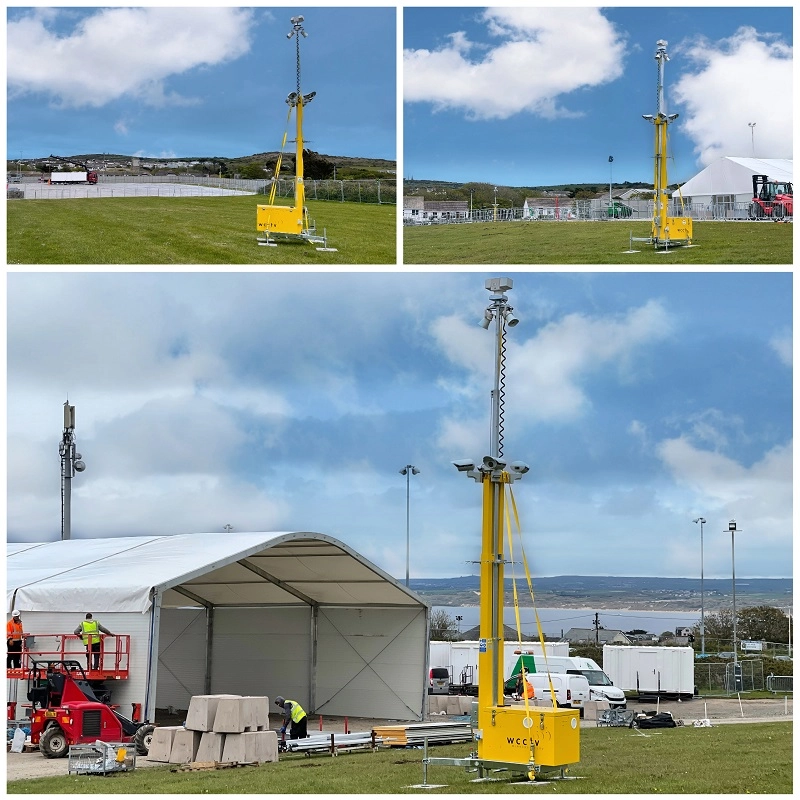
Cloud platforms also eliminate on-premise infrastructure costs (servers, networking equipment, backup systems) as all data is transmitted over secure 4G/5G networks. Stellifii, which connects seamlessly to our CCTV Towers and Temporary CCTV solutions, is available on a rental basis to help construction firms better manage cash flow and budget forecasting.
Read more: Unifying Security and Site Monitoring: The New Standard for UK Contractors
2. Automate routine tasks
As mentioned, manual processes drain IT budgets through wasted labour hours. Construction IT teams can spend over 30 hours per week on security admin alone, which includes logging into separate systems, manually correlating incident data and compiling compliance reports.
Automation removes this hassle entirely. Smart Detection Systems with AI-powered video analytics automatically catch PPE violations, intrusions and fire risks without human intervention. IoT-based environmental sensors track air quality, noise and weather in real-time and flag any issues long before site teams even notice.
What's more, Stellifii timestamps and logs every incident, and generates audit-ready compliance reports up to 5X faster than legacy systems. With the click of a button, this level of automation delivers numerous benefits for IT managers: lower labour costs, fewer human errors and real-time visibility in half the time.
Read more: AI-Powered Risk Detection: Smoke, Fire and PPE Compliance in Construction
3. Prioritise project ROI
Budget decisions based on the lowest initial cost often create higher costs in the long-term. When evaluating monitoring investments, IT managers must calculate the total rental costs across the given timeframe to get a clearer picture of project ROI.
On-premise infrastructure might appear cheaper initially, but it racks up ongoing expenses in terms of hardware replacements and manual software updates. In fact, many construction businesses spend around 60-80% of their IT budget just to keep legacy applications running.
Smart monitoring rentals, on the other hand, deliver measurable ROI within months. This is because they consolidate multiple vendor functions (surveillance, site monitoring, etc.) into a single interface at a fraction of the cost of fixed infrastructure/manned guards. The cost savings compound further when you take the following into account:
-
Reduced theft and vandalism incidents
-
Less downtime as systems run health checks and diagnostics automatically
-
Fewer compliance breaches
Read more:
-
The ROI of Consolidating Site Monitoring Into a Unified Platform
-
Choosing a Monitoring Partner That Understands UK Construction
How Smart Monitoring Saves Money in Construction
Smart monitoring systems directly address the budget pressures in IT in the following ways:
Eliminate vendor sprawl
Stellifii consolidates CCTV surveillance, environment monitoring, intrusion detection, ANPR access control and compliance documentation into a single platform. All of this is managed through a single vendor relationship with WCCTV.
Cost savings
-
Replace 3-5 vendor subscriptions with one fee
-
Eliminate £18,000 annual admin overhead per site
-
ROI: Typically 6-12 months for multi-site operations
Reduce operational costs
Automated monitoring replaces costly manual approaches:
-
Manned security guards: Typically cost £24,000-£35,000 annually per person per site, while flexible cloud-based rentals with remote monitoring services can reduce costs by up to 88%.
-
Manual compliance reporting: Using artificial intelligence (AI) and advanced software, Stellifii automates compliance documentation up to 5X faster than traditional systems. This reduces time spent on manual reporting and allows teams to focus on higher-value work that drives real business growth.
-
Incident investigations: Automated incident reports, with timestamped CCTV, ANPR and intrusion logs, help speed up insurance claim processing and police investigations. This is especially critical in construction, where delays can lead to contractual penalties or site shutdowns during HSE investigations.
-
Running costs: Smart monitoring systems powered by AI streamline construction processes much faster than outdated methods. Reports show this can lead to 20% savings in project costs, with increased efficiency, optimised resource allocation, enhanced decision-making and reduced rework being the biggest drivers.
Prevent costly incidents
Smart detection systems prevent issues before they escalate into project-stopping problems:
-
Theft prevention: In the UK, the construction sector loses nearly £1 billion annually to theft. Fully-managed CCTV Towers with AI-powered detection and live monitoring from NSI Gold Accredited monitoring centres deter theft attempts the moment they occur. This protects assets while keeping the cost of replacements and repairs to a minimum.
-
Compliance violations: ICO penalties can reach £17.5 million or 4% of annual turnover for GDPR violations (applicable to CCTV footage data handling). HSE fines for non-compliance are often unlimited for severe breaches, with 2025 seeing penalties up to £6 million. Smarter tech, with in-built AES256 encryption, reduces these risks almost entirely.
-
Project delays: Every day a project runs over schedule costs money. Smart monitoring with predictive analytics can reduce delays by up to 30%. Advanced IoT weather monitoring tools provide real-time severe weather warnings that keep workers safe and projects on track.
Optimise energy and maintenance costs
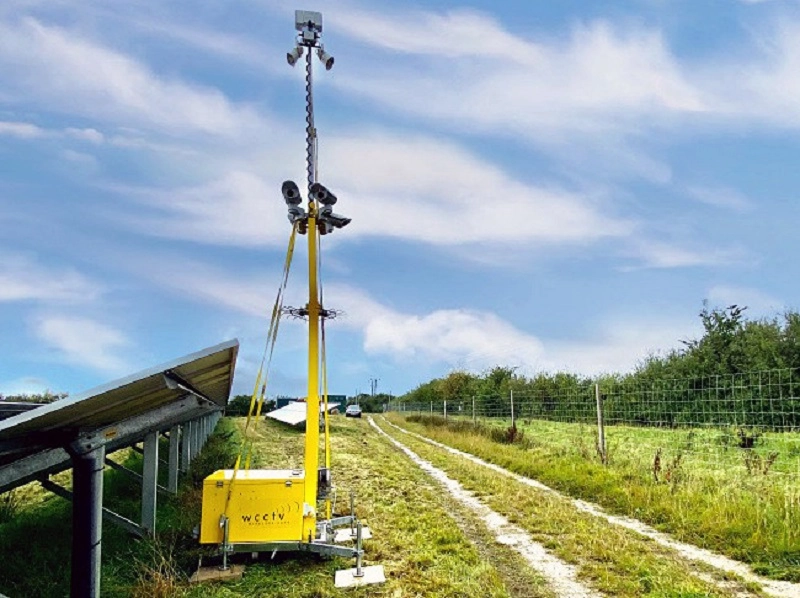
Solar and fuel cell battery-powered CCTV Towers help keep the running costs of monitoring systems down:
-
Solar and fuel cell power: Some models provide up to 20 weeks of autonomous power without mains electricity or generator fuel.
-
Remote diagnostics: Automatic system health checks reduce maintenance visits and callout fees, while significantly lowering your Scope 1, 2 and 3 commercial emissions for ESG reporting.
-
4G/5G connectivity: No site cabling or extensive IT infrastructure required. Smart monitoring relies on secure, in-built 4G/5G connectivity with AES256 encryption as standard.
Browse our latest white papers and brochures for free resources to strengthen your security strategy.
Save Money the Smart Way
Budget pressures in IT aren't going away, but sticking with your current legacy infrastructure will continue to consume 60-80% of your budget. Vendor sprawl will generate roughly £18,000 annually in wasted hours per site, and inflation will keep driving costs higher.
How long will you continue to fight these pressures with fragmented infrastructure? Are you ready to make the change through consolidation?
With 6 regional hubs and over 20-years of experience in wireless monitoring, we fully understand the pressures IT managers face when it comes to cost control. Stellifii consolidates surveillance, environmental monitoring and smart detection into one platform, at up to 88% less than what you're currently paying.
Start demonstrating measurable ROI through integrated monitoring that the board can't ignore.