Construction remains one of the UK's most high-risk industries. Fast-paced operations, manual reporting, heavy machinery and tight delivery schedules create environments vulnerable to occupational accidents and operational disruptions.
Yet many construction companies still treat safety as a box-ticking compliance exercise rather than a strategic asset. That's a costly mistake.
A strong safety culture does more than prevent accidents. It reduces shortcuts, improves reporting and strengthens engagement with HSE initiatives, all while influencing productivity and workforce trust.
This article explains exactly why safety culture is a valuable asset on a construction site, helping health and safety management articulate the business value of safety culture to stakeholders and clients.
Safety Risks in Construction
Construction sites are inherently dangerous, making a safety culture non-negotiable. Unlike office environments, risks change daily as projects progress, weather changes and different tradesmen move in and out.
A few common hazards in the UK construction industry include:
-
Working at height: Falls are among the leading causes of workplace fatal injuries, accounting for roughly 53% of all construction deaths.
-
Trips, slips and falls: The most common causes of non-fatal injuries, responsible for about 30% of all workplace injuries in the sector.
-
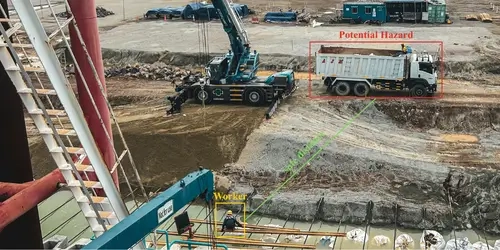
Moving equipment: Being struck by vehicles, cranes and heavy machinery are other common workplace safety risks.
-
Excessive noise: Workers cannot be exposed to more than 87 dB(A) within 8 hours as per the Control of Noise at Work Regulations 2005.
-
Hand-arm vibration syndrome (HAVS): An irreversible occupational disease caused by prolonged use of vibrating power tools (e.g., power drills, chainsaws, pneumatic drills, etc.).
-
Pollutant exposure: Silica dust, asbestos fibres and poor air quality affect respiratory health.
-
Weather conditions: Temperature extremes, strong winds, sleet, snow and heavy rainfall create slip hazards and visibility issues.
-
Electric and fire hazards: Contact with overhead/underground cables can lead to electrocution, while hot works pose fire hazards on construction sites.
-
Structural collapse: Excavation cave-ins, scaffold failures and unstable structures can happen overnight.
To mitigate these risks, health and safety managers need 24/7 oversight. But vigilance alone isn't enough; it requires a culture where every worker takes ownership of safety, not just those with "safety" in their job title.
Read more:
Health and Safety Stats: UK Construction
For context, here are some health and safety statistics for the UK's construction industry:
-
35 fatal accidents in 2024/25, with falls from height accounting for 53% deaths.
-
Construction injuries have a fatal injury rate 4.8 times higher than the all-industry average.
-
79,000 workers suffered work-related ill health between 2022/23 and 2024/25.
-
Musculoskeletal disorders affect 54% of construction workers.
-
Slips, trips and falls account for 30% of all non-fatal injuries in the construction industry.
-
15,000 workers suffer from work-related stress, depression or anxiety (new or long-standing).
-
5,000 workers suffer from a work-related breathing or lung problem.
-
16,000 construction workers experience work-related mental health issues
-
Male construction workers are 3 times more likely to die by suicide compared to other industries.
-
The total cost of work-related ill health and workplace injury in 2023/24 is estimated at £1.4 billion.
-
The UK construction sector loses around 2.2 million working days due to work-related illness/injury.
These numbers aren't just statistics. They represent real people's lives, project delays, compensation claims and enforcement actions. A positive safety culture doesn't eliminate the risk, but it does significantly reduce the likelihood and severity of incidents on-site.
9 Reasons Why Safety Culture Matters in UK Construction
Here's how a good safety culture delivers 9 measurable benefits for those in construction:
1. Reduces accidents and injuries
When safety becomes embedded in daily behaviour (not just enforced through rules), workers instinctively make safer decisions. This means they don't cut corners when supervisors aren't looking, and they conduct hazard identification before incidents happen. This proactive approach catches problems early, long before they result in injuries or fatalities.
2. Improves high-risk task performance
Construction involves natural risks, from working at height and operating plant machinery to handling hazardous materials. A strong safety-first culture ensures workers approach these tasks with caution, supported by proper safety training and the correct personal protective equipment (PPE) from the get-go.
Doing so means that these safety procedures aren't treated as compliance ticking exercises or rolled out before HSE inspections take place; they're embedded into everyday work and followed consistently.
3. Shows effective risk management
Clients, insurers and regulators all assess how well contractors manage risk. A visible safety culture, supported by a clear safety program, thorough risk assessments and consistent enforcement, provides evidence that risk management is a top priority, not an afterthought.
4. Meets compliance requirements
UK construction operates under strict regulations to ensure worker safety and mitigate risks. A safety-first culture is absolutely essential and makes compliance easier, as workers follow protocols naturally rather than treating them as operational obstacles.
5. Delivers significant ROI
Proper safety management embedded from the start delivers measurable return on investment (ROI) for construction companies. Reports show that investing in safety training can cut accidents by 50% and deliver financial savings of £3-£5 for every £1 spent.
Construction site ROI also compounds in the following ways:
-
Lower insurance premiums: Insurers tend to reward contractors who have good workplace safety systems in place.
-
Fewer civil claims: Reduced incidents mean fewer compensation claims and legal fees.
-
Avoided enforcement action: HSE fines and inspections carry significant financial and reputational penalties.
-
Reduced project delays: Embedding safety from day one keeps projects on schedule because potential hazards/injuries are flagged early.
-
Enhanced operational efficiency: Every incident investigation or site shutdown costs time and money. Construction businesses with a safe work environment are less likely to experience downtime.
6. Attracts and retains staff
Skilled construction workers have more choices than ever, but they're far more likely to stick with employers with a visible commitment to site safety and their well-being.
Did you know that asbestos exposure continues to claim nearly 4,500 lives annually through mesothelioma and asbestos-related lung cancer? With asbestos remaining in about 500,000 non-domestic British buildings, every refurbishment or demolition project carries potential risk for a new generation of workers.
Employers who take these risks seriously don't just protect their people; they build loyalty with a workforce that wants to stay.
7. Helps win tenders
Clients and principal contractors are paying closer attention to safety performance when awarding contracts. A robust safety culture, supported by integrated monitoring, low accident rates and strong incident reporting hazards systems, proves due diligence with workplace safety regulations.
This safety-first approach keeps everyone on-site safe and gives construction companies a competitive edge in tender processes.
8. Supports morale and mental health
Workers in a positive safety culture tend to be less stressed and anxious because they feel both valued and physically protected. In fact, when workers feel valued through visible leadership and recognition, there tends to be a 20-30% higher engagement rate across the board. A proactive culture that integrates mental health support (e.g., no-blame incident reporting) helps lower depression and anxiety rates.
9. Strengthens professional reputation
In construction, reputation is everything. One serious incident can undo years of credibility, damaging client relations and making it harder to attract and retain top talent.
A strong safety culture changes this. When contractors are known for protecting their workforce, they earn the trust of clients, regulators and surrounding communities. For health and safety managers, this also translates to professional recognition. Those who genuinely drive culture change are seen as respected protectors, not just enforcers.
The Impact of Poor Health and Safety at Work
Here's a quick overview of the consequences construction companies face due to poor health and safety standards:
| Operational costs | Reputational costs | Human costs |
|
|
|
Read more:
- The True Cost of Manual Reporting in Construction
- Rethinking Construction Compliance Through Smart Monitoring Systems
What a Strong Safety Culture in Construction Looks Like
For health and safety officers balancing compliance, incident prevention and workforce well-being, a safety-first culture isn't just a papered policy; it shows up on every site every day.
Here's what those key performance indicators look like in practice:
-
Visible leadership commitment: Safety leaders lead by examples such as wearing PPE and prioritising safety regulations in day-to-day operations.
-
Active worker engagement: Workers are involved in risk assessments, toolbox talks and prevention strategies (not just told what to do).
-
Open communication: Reporting incidents and near-misses is done without fear or judgment.
-
Ongoing training: Regular refresher courses ensure competence under HSE laws.
-
Continuous improvement: Incidents, audits and inspections lead to real on-site changes, not paperwork.
Below is a breakdown of 10 health and safety regulations every HSE manager needs to know:
| Regulations | Purpose | What it covers |
| Health and Safety at Work Act (HASAWA) 1974 | Primary legislation for workplace safety |
|
| Construction (Design and Management) CDM Regulations 2015 | Construction-specific safety framework |
|
| RIDDOR 2013 (Reporting of Injuries, Diseases and Dangerous Occurrences Regulations) | Incident reporting |
|
| Control of Substances Hazardous to Health Regulations (COSHH) | Hazardous substance risk management |
|
| Working at Height Regulations 2005 | Fall prevention |
|
| Control of Noise at Work Regulations 2005 | Hearing protection |
|
| Personal Protective Equipment at Work Regulations (PPER) 1992 | Personal protective equipment requirements |
|
| Regulatory Reform (Fire Safety) Order 2005 (FSO) | Fire safety management |
|
| The Provision and Use of Work Equipment Regulations 1998 | Equipment safety |
|
| Clean Air Act 1993 | Air quality and ESG emissions control |
|
Read more:
- The Modern HSE Playbook for UK Safety Leaders
- How to Create a Strong Safety Culture at Your Construction Site
- How HSE Regulations Are Evolving to Advance Construction Site Safety
- PPE Detection in Action: Keeping Construction Projects Compliant with HSE
HSE's Safety Culture Maturity Model: Explained
To help organisations understand where they sit on the safety culture spectrum, the HSE developed a 5-level Safety Culture Maturity Model (SCMM):
-
Emerging: Safety receives minimal attention from management and is largely treated as a box-ticking exercise to meet legal requirements.
-
Managing: Formal safety procedures are in place, but the main focus is compliance, rather than genuine risk reduction.
-
Involving: Workers play an active role, contributing to safety discussions and initiatives.
-
Co-operating: Site safety is a shared responsibility, with open communication and strong collaboration between workers and leadership.
-
Continually improving: Learning, innovation and long-term commitment to safety performance are fully embedded across the board.
Most construction firms sit somewhere between "Managing" and "Involving". A positive safety culture becomes the most valuable when companies reach "Continually Improving" status.
6 Digital Tools Improving Construction Safety Performance
The use of advanced technology helps health and safety managers improve safety performance.
Manual processes, like periodic spot checks and paper-based processes, simply can't keep up with the demands of modern construction. Smart monitoring systems give safety management teams the "eyes and ears" they need in terms of visibility and accountability on a building site.
Key technologies include:
-
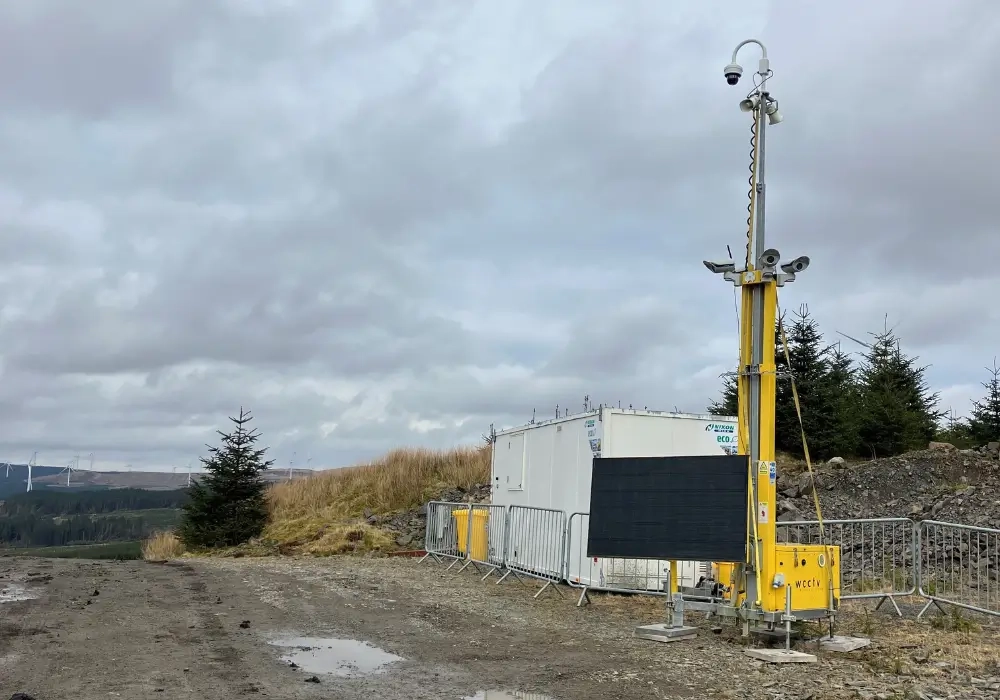
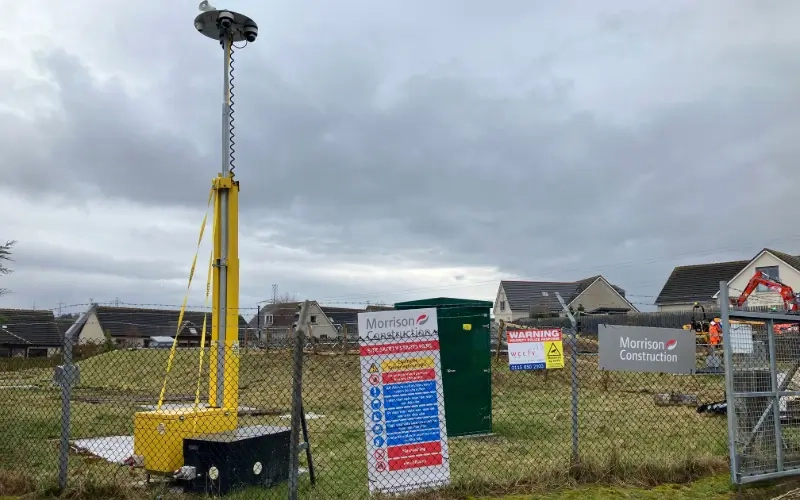
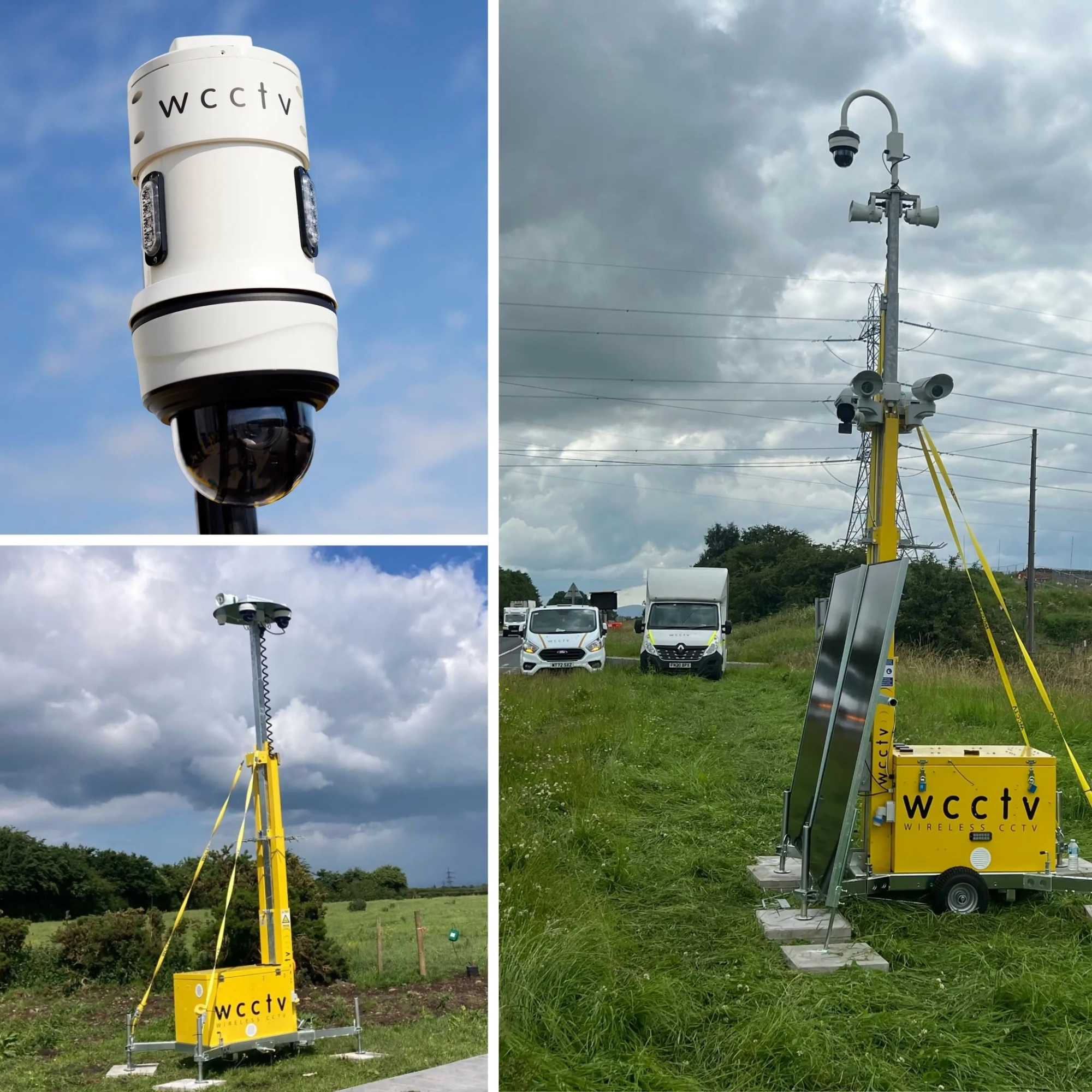
Rapid Deployment surveillance: Standing up to 6 metres tall with near-360° PTZ cameras, CCTV Towers and Temporary CCTV solutions provide 24/7 surveillance that can be repositioned as site layout/safety concerns change. Equipped with remote monitoring, threat alerts are sent directly to NSI Gold Accredited monitoring centres where trained personnel issue audio warnings, dispatch mobile keyholding teams and/or contact emergency services where needed.
-
AI-video analytics: Automatic detection of unsafe behaviours and security threats in real-time. Machine learning distinguishes genuine risks from false alarms (wildlife, shadows, steam, etc.) so teams only respond to what matters. Issues are flagged the moment they occur, not hours or days later, as would happen with traditional methods.
-
IoT-based sensors: Sophisticated environmental monitoring sensor software tracks air quality (particulate matter, CO₂, VOCs), noise levels (30-130 dB) and weather conditions (temperature, rainfall, wind speed) in real-time. Systems alert site teams instantly when thresholds are exceeded, while storing up to 180,000 timestamped logs for trend analysis and compliance reporting.
-
Smart detection systems: Add-on integrations such as smoke/fire detection, intrusion alerts and PPE monitoring from a single platform give health and safety managers an instant "bird's eye view" of everything happening on-site. If workers are missing PPE in high-risk zones, systems issue warnings immediately, ensuring swift corrective action.
-
Cloud consolidation: Cloud-based platforms like Stellifii merge all site data (security, environment monitoring, ANPR access control logs, etc.) into a single dashboard. HSE teams gain real-time visibility across all building sites with no need to be on location. End-to-end AES256 encryption and NDAA-compliant components enhance the protection of sensitive data against cybersecurity
-
Automated reports: Audit-ready compliance documentation generated up to 5X faster than legacy Every safety incident is timestamped with corresponding video footage that ensures accountability from day one. This level of automation frees safety officers from time-consuming manual work and allows them to focus on developing a safety culture alongside compliance obligations.
Case study: Morgan Sindall/Network Rail: Kings Cross - Worker Safety and Time Lapse Video
Invest in Your Site's Safety Culture Today
Safety management is construction's most valuable asset, as it results in fewer accidents, demonstrates measurable ROI to stakeholders/clients and builds loyalty with a workforce that wants to stay.
For health and safety managers articulating that value to directors who see safety management as an overhead rather than an investment, the data is clear. Construction companies with embedded safety cultures outperform those without: financially, operationally and reputationally.
With over 2 decades of monitoring expertise, we provide fully-managed surveillance and monitoring solutions that support a safety-first culture within the UK's construction sector.