UK construction managers face constant pressure to deliver projects on time and on budget. But studies show that delays affect around 98% of mega projects, with the average project falling 20 months behind schedule. Besides impacting timelines, these delays trigger contractual penalties, damage client relationships and put your professional reputation on the line.
What causes them are the gaps in real-time visibility that leave project managers reacting to problems after they've already derailed schedules. When you can't see weather conditions developing or compliance issues stacking up, you're always playing catch-up instead of staying ahead.
But there's a better way to address these challenges: smart monitoring with real-time visibility into every risk that threatens your timeline. IoT environmental sensors track rainfall and wind speed before work is stopped, CCTV systems with in-built AI-video analytics catch theft and vandalism as they happen and automated reports ensure compliance that prevents costly shutdowns.
In this article, we'll discuss the 7 causes of project delays and how smart monitoring prevents them.
7 Construction Project Delays and How Smart Solutions Prevent Them
Here's what causes projects to run behind schedule and how smart monitoring prevents these issues in the first place:
1. Theft and vandalism
Equipment theft and vandalism remain among the most disruptive causes of construction delays. In fact, UK construction theft costs the sector around £800 million per year. When building materials go missing or equipment is damaged deliberately, work comes to a stop while you source replacements and process insurance claims.
How delays happen:
-
Unmonitored building sites during off-hours allow unauthorised persons to operate undetected for extended periods of time.
-
Lack of visible deterrents makes sites attractive targets for opportunist crime and organised groups.
-
Delayed discovery of damage/theft means lost time before replacement equipment arrives.
Smart prevention
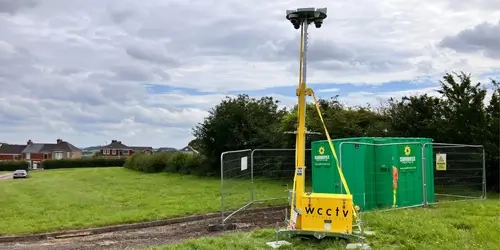
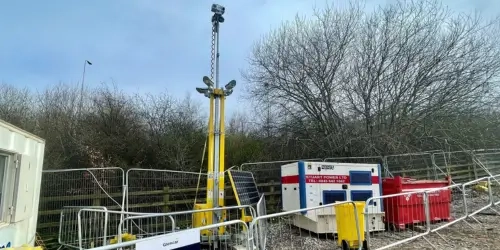
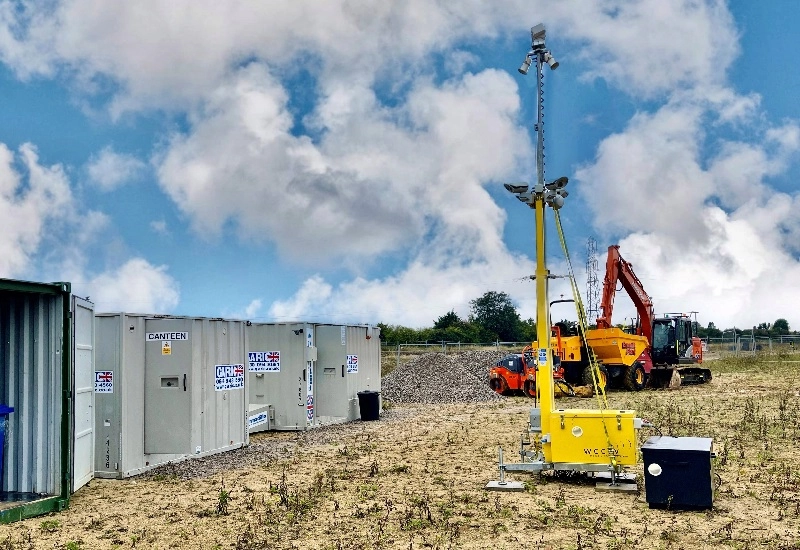
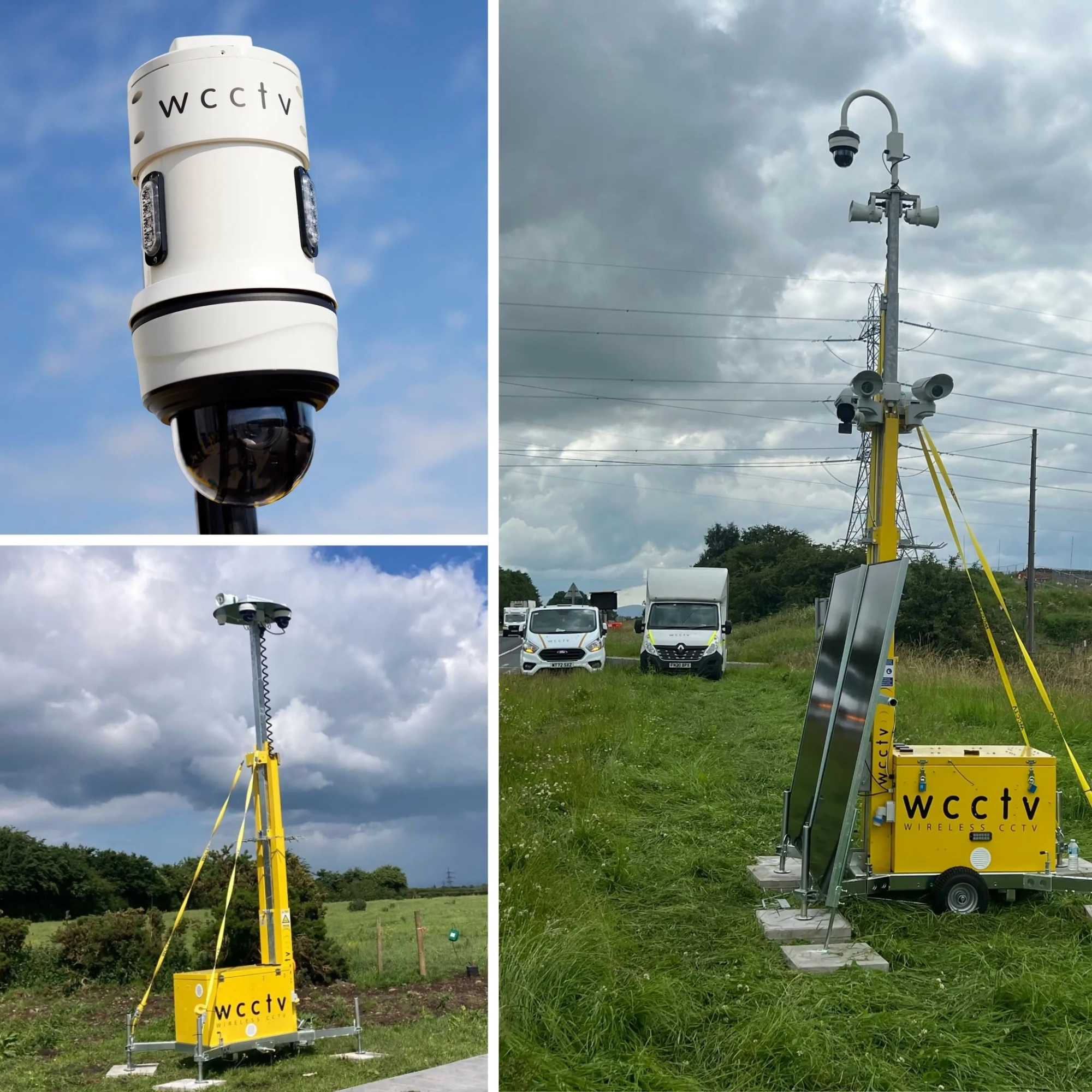
Rapid Deployment CCTV Towers, standing up to 6 metres tall with near-360° visibility, create an unmistakable psychological deterrent that stops crime before it escalates. Operating autonomously, they detect suspicious activity up to 200 metres away using PTZ (Pan-Tilt-Zoom) night vision cameras. This means sites are protected 24/7, including temporary setups in the most remote locations.
When integrated with professional remote monitoring services from NSI Gold Accredited monitoring facilities, site security is taken a step further. Here, trained security personnel assess threats in real-time and initiate rapid responses to prevent delays, such as:
-
Live audio voice-down challenges
-
Blue light activation
-
Mobile keyholding and alarm response dispatch
-
Emergency service notification when needed
This smarter approach to construction site security not only protects assets but also keeps project delivery on schedule by addressing risks as they happen, not hours or days later.
Read more:
2. Weather disruptions
The UK is notorious for bad weather, so it's no surprise that projects fall behind schedule. Unexpected storms, heavy downpours and strong winds can derail construction projects by suspending foundation groundwork, crane operations and painting jobs with little to no warning.
Without accurate site data, project managers struggle to make informed decisions regarding schedules and resource allocation.
How delays happen:
-
Sudden weather changes catch teams unprepared, forcing unplanned stoppages.
-
Lack of historical weather data makes it difficult to justify delays to stakeholders and clients.
-
Manual weather checks rely on generic forecasts that don't reflect site-specific conditions.
Smart prevention
Advanced weather monitoring sensors continuously track temperature (-40°C to +60°C), rainfall (hourly), humidity (10-99%) and wind speed (0–110mph) in real-time. These IoT-based systems automatically log up to 180,000 timestamped records, creating a clear audit trail that demonstrates due diligence when explaining weather-related delays to clients and project stakeholders.
On top of this, they support CDM and HSE compliance by providing robust risk management for protecting workers. For instance, if wind speeds make crane operations unsafe and project schedules are affected, you have clear, evidence-backed data to demonstrate due diligence and resolve disputes. It's this real-time visibility that keeps construction projects moving.
Read more:
-
Weather Monitoring Tools That Keep Construction Projects on Track
-
The Role of Environmental Monitoring in Meeting CDM 2015 Requirements
3. Labour and material delivery challenges
Supply chain disruptions and labour coordination issues continue to delay construction projects in the UK. Brexit-related driver shortages, inflation impacting material costs and the complexity of managing multiple subcontractors across sites create bottlenecks that push project schedules back.
Without proper planning and smart project management tools that tell you who accessed your site and when materials arrived, site managers waste hours chasing updates and resolving disputes.
How delays happen:
-
Materials arrive without proper documentation, disrupting workflows.
-
Subcontractor coordination issues arise when project teams arrive, but materials aren't available.
-
Lack of delivery vehicle verification leads to disputes.
-
Manual processes create accountability gaps.
Smart prevention
CCTV Towers with in-built remote monitoring form the basis of construction site monitoring. When integrated with smart add-ons like Time Lapse Video and Automatic Number Plate Recognition (ANPR), they take real-time visibility to new heights.
ANPR technology logs every vehicle entering/exiting your building site with timestamped records and corresponding CCTV footage. This automated tracking eliminates disputes about when workers or deliveries arrive on-site.
What's more, Time Lapse Video captures entire projects from start to finish, condensing weeks' worth of work into a single video clip that clearly shows material arrival patterns, workflow bottlenecks and project success. Instead of manual checks via disconnected systems, these smart monitoring devices "do the job for you" without bogging you or your team members down.
Read more:
4. Poor compliance
Health and safety violations are another reason why projects fail and fall behind initial project plans. When workers lack the appropriate PPE, and HSE/CDM inspectors arrive unannounced, they can stop projects in their tracks. CDM 2015 mandates "principal contractors" to ensure proper PPE usage at all times, and failure to comply can result in penalties, stop notices, reputational damage and even prosecution.
Other compliance violations include:
-
Failing to provide proper risk assessments.
-
Failing to protect workers from fire hazards, injuries and hazardous substances (under the Control of Substances Hazardous to Health Regulations (COSHH)).
-
Poor project planning that doesn't meet the Building Safety Regulator (BSR) standards.
-
Breaches of the Clean Air Act 1993 and the Environment Act 2021.
-
Not providing continuous environmental monitoring logs to meet ESG/Net Zero obligations.
-
Poor cybersecurity concerning data handling and storage for CCTV footage.
Smart prevention
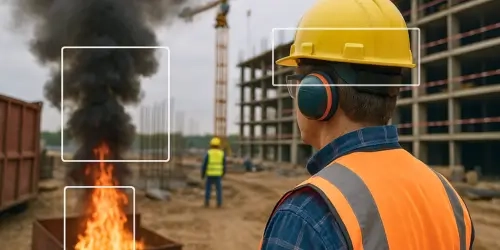
Smart detection systems for intrusions, PPE compliance and smoke/fire hazards are new technologies making their mark in the UK construction industry:
-
Intrusion detection alerts project managers instantly when unauthorised access occurs.
-
PPE detection and monitoring flags team members missing the proper PPE gear.
-
Smoke and fire detection identifies early warning signs of smoke/flames before they derail project goals.
Using advanced PTZ cameras, intelligent software and AI-video analytics, these systems distinguish genuine threats from false alarms in real-time. This means they can identify a worker without the right head protection gear on a busy construction site with near pinpoint accuracy, while also differentiating between someone scaling a perimeter fence and motion caused by passing traffic or wildlife.
Tackling other non-compliance issues that could cause delays involves integrating environmental monitoring solutions into your construction site security plan. These sophisticated solutions track live air quality, construction noise and weather readings, providing timestamped logs that meet ESG project objectives while also showing historical data from past projects.
All of our CCTV and monitoring solutions have end-to-end AES256 encryption, comply with GDPR and use NDAA-compliant components that maintain compliance across a broad range of regulatory requirements while helping you minimise the risk of project delays and ICO penalties.
Read more:
- 7 Compliance Pitfalls Costing Construction Firm Millions
- How Smart Monitoring Systems Enhance Construction Site Safety
- AI-Powered Risk Detection: Smoke, Fire and PPE Compliance in Construction
5. Budget constraints
Rising project costs and budget pressure force site managers to make difficult decisions about where to allocate limited resources. Traditional security strategies like manned guards (costing £24,000-£35,000 annually) quickly eat into budgets that could be better spent elsewhere. When costs overrun due to delayed projects, finding additional cash flow for even basic security becomes that much harder.
How delays happen:
-
High security budgets may impact project completion as there isn't enough cash flow for wages and materials.
-
Lowering security budgets may leave sites vulnerable, resulting in costly theft and delays.
-
Manually tracking tasks via foot patrols wastes resource hours that could be better spent on project delivery.
-
Multiple vendors for CCTV, site monitoring and compliance are costly, impacting your bottom line.
Smart prevention
Our fully-managed Temporary CCTV solutions deliver professional-grade protection at a fraction of the cost of manned guards or paying multiple vendors, potentially reducing monitoring costs by up to 88%. This isn't about compromised quality; it's about making robust security more affordable for more businesses in the construction industry.
Available on short- or long-term rentals, Redeployable CCTV systems maximise your ROI by adapting to project phases as site layouts change. Rather than spending exorbitant amounts on permanent infrastructure that eats into profit margins, these rentals can be reused throughout the project lifecycle. With 24/7 protection in place, you can significantly reduce delays and disruptions caused by theft/vandalism that would otherwise impact project execution.
Read more: How Smart Site Monitoring Protects Margins in Construction
6. Outdated tech and poor communication
Having PPE compliance in one system, environmental monitoring in another and CCTV logs elsewhere creates more chaos than control. When site data lives in fragmented systems that don't sync, project complexity increases tenfold. And when inspectors demand ESG reports or stakeholders query delays, you're left sifting through outdated tech to piece together the information you need.
How delays happen:
-
Information siloed in disconnected systems prevents team members from seeing developing issues.
-
Manual data entry delays decision-making when quick answers are needed to keep projects moving.
-
Incompatible systems make it difficult to correlate events across all the tasks needed.
-
Poor communication between monitoring vendors and project teams results in missed deadlines and responses.
Smart prevention
What project managers need is a streamlined approach where live data is centralised in a unified platform. This is where Stellifii, our cloud-based platform, comes in. Consolidating surveillance footage, environmental monitoring data, smart detection alerts, ANPR logs and incident reports into a single dashboard, teams can manage project delays more efficiently.
Stellifii delivers instant access to live and recorded footage with full remote access control from any device. Various reports for intrusions, PPE violations and weather disruptions are generated instantly that satisfy CDM, HSE and ESG requirements. Essentially, it becomes your "eyes and ears" on the building site, giving you analytical insights about what's happening on-site in real-time.
This cloud-based approach significantly:
-
Reduces vendor sprawl
-
Allows site managers to monitor project timelines in real-time
-
Offers key stakeholders verifiable evidence in terms of the scheduling process
-
Improves communication between everyone involved
7. Rework or project scope changes
Last-minute design changes and poor project monitoring frequently call for rework that pushes timelines back. When clients request changes halfway through the build, crews must pause work, adjust schedules, and order new materials. Poorly managed sites also need rework as subcontractors may operate without clear guidance.
How delays happen:
-
Lack of visual documentation makes it difficult to resolve disputes about already completed work.
-
Inability to demonstrate due diligence during the original project scope complicates negotiations.
-
Manual progress tracking cannot defend timelines.
-
Poor planning and scheduling lack consistent oversight, leading to errors and delays.
Smart prevention
Time Lapse Video documentation captures every phase of your project, condensing weeks/months of work into reviewable footage that clearly shows construction progress. This visual record becomes invaluable when scopes change, providing timestamped evidence of timely project completion up until rework was needed, preventing disputes and improving project management.
Read more: Reducing Rework and Delays With Real-Time Site Data
Keep Construction Projects on Track with WCCTV
Project delays can be avoided when firms take a smarter monitoring approach. By addressing security threats in real-time, meeting regulatory compliance deadlines and using a centralised cloud-based dashboard for all site data, project managers can correct issues as they happen - long before they derail project progress and delivery.
Stop wasting time dealing with disconnected systems and firefighting delays that could have been prevented. Reach out to our team to discuss how our smart monitoring solutions and Stellifii can keep your projects on track.